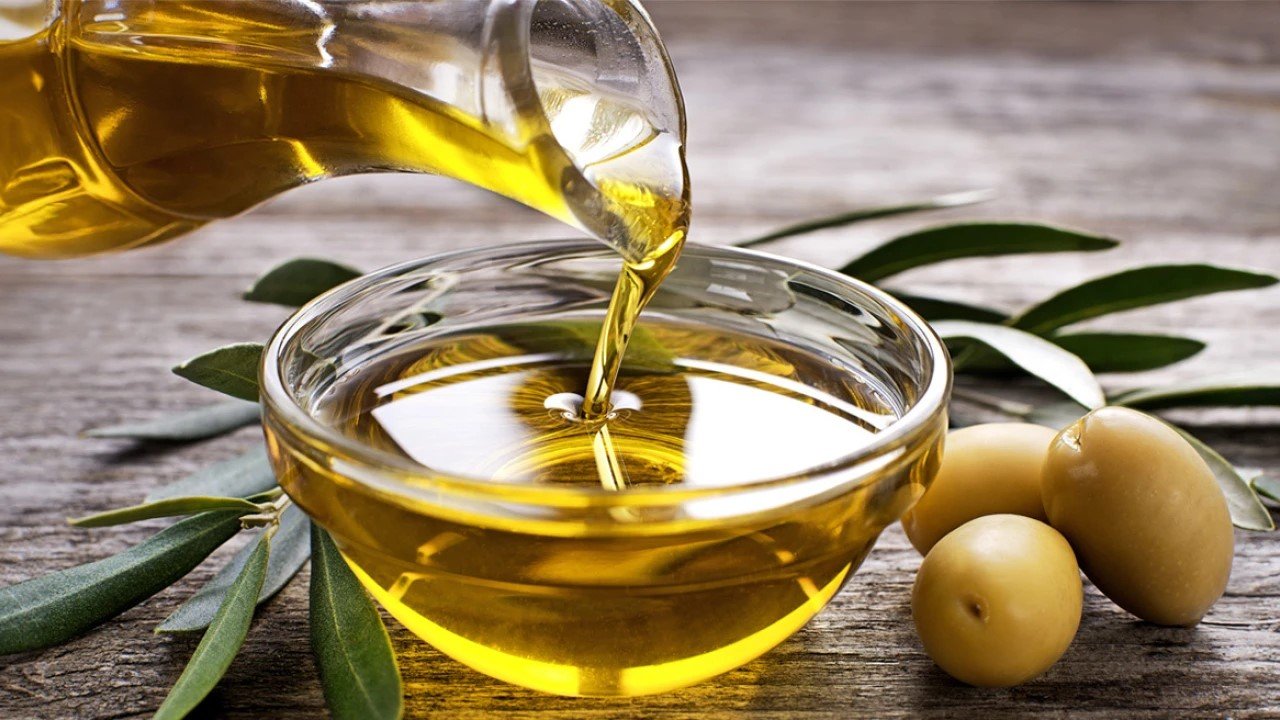
Olive oil is consumed raw in salads and with vegetables, and it is the basic component of the Mediterranean Diet. It is considered a healthy substitute for butter in cooking, as it is rich in unsaturated fatty acids.
The cultivation of rain-fed olives continues to follow traditional methods, resulting in superior quality: low acidity, rich in polyphenols, with a fruity aroma and a peppery, robust taste.
Traditional Olive
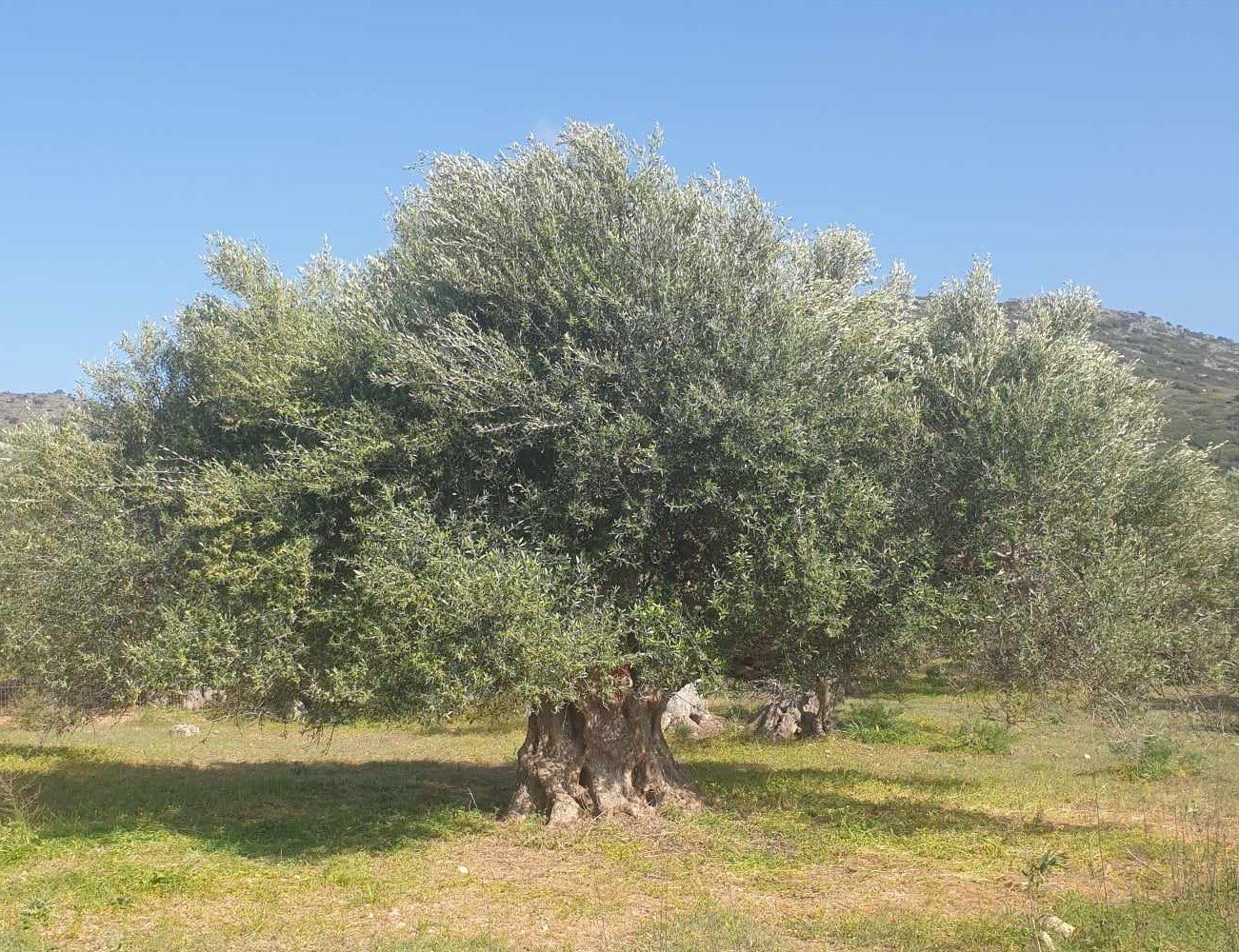
Olive cultivation has been, and remains, the main agricultural activity of the Voritsi region in Pediada. For centuries, local residents have traditionally cultivated olives to produce exceptional quality olive oil.
The region grows the Psiloelia and Koroneiki varieties — traditional Cretan cultivars known for producing high-quality extra virgin olive oil. The fruit is hand-picked directly from the tree, resulting in olive oil with particularly low acidity.
Traditional Olive
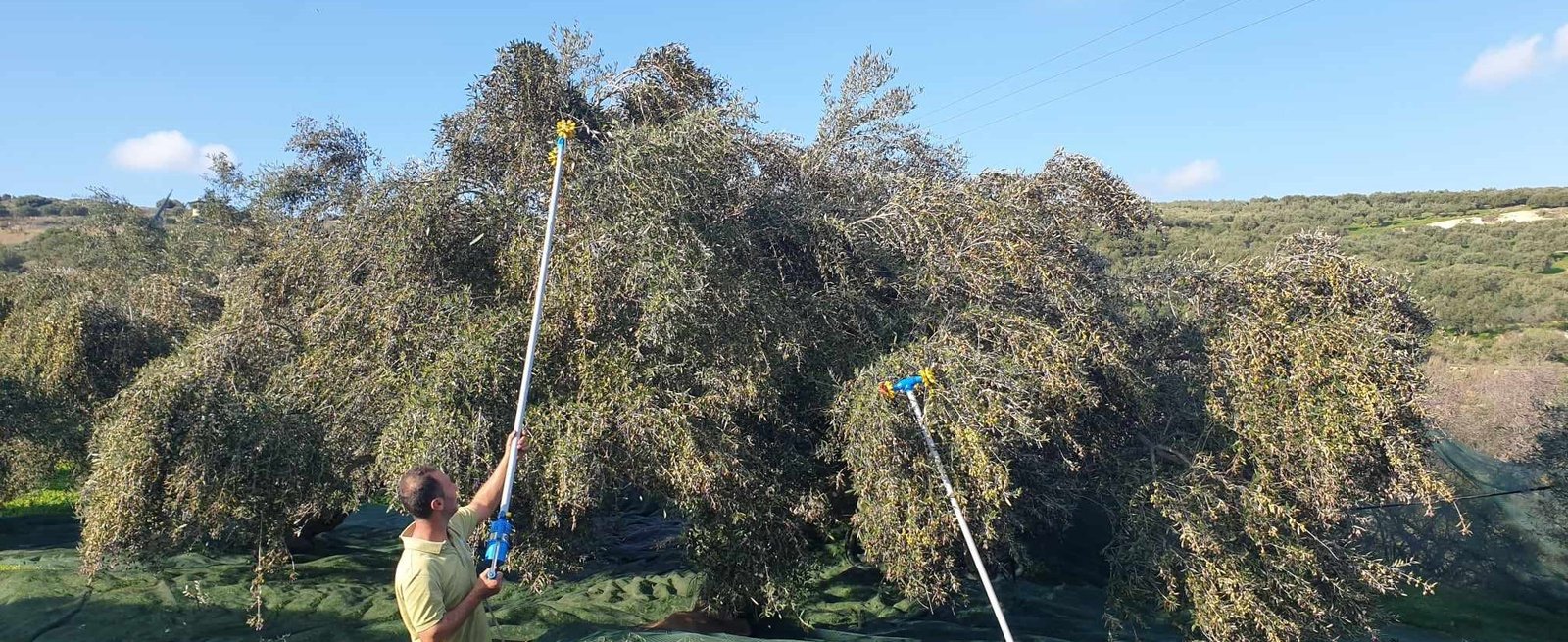
Cultivation is carried out using traditional methods, without pesticides. Harvesting is done mechanically by shaking the branches. The olives are transported and pressed within 48 hours to minimize acidity in the resulting olive oil.
Oleum Oliva olive oil is characterized by an intense fruitiness and a peppery taste with hints of spice.
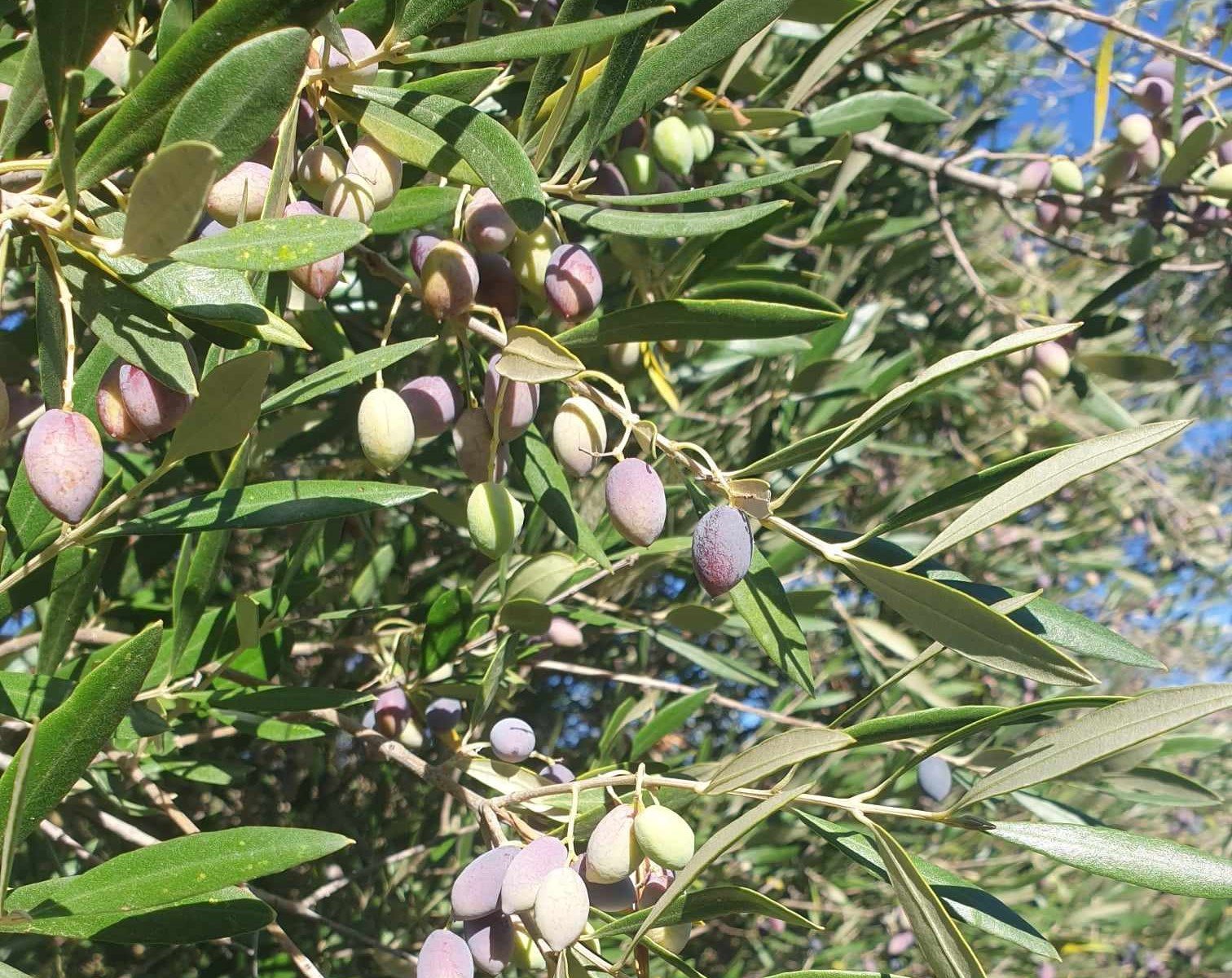
Olive Fruit
The cultivation of dry-farmed olives continues to follow traditional methods, resulting in superior quality: low acidity, rich in polyphenols, with a fruity aroma and a peppery, robust taste.
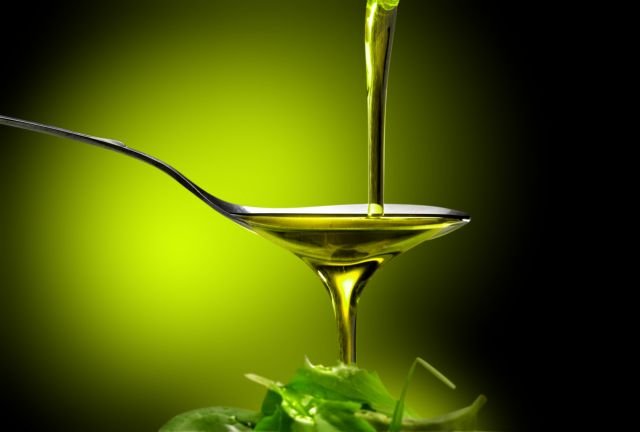
Agourelaio
Extra virgin olive oil is the juice of the olive fruit in its natural form — a treasure of health offered to us by nature.
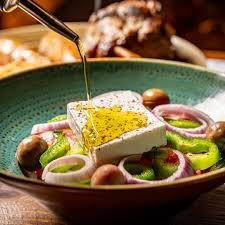
Greek Salad
Olive oil is a staple of everyday Mediterranean cuisine, an essential ingredient in many traditional Greek recipes and dishes.
Olive oil is consumed raw in salads and with vegetables, and it is the basic component of the Mediterranean Diet. It is considered a healthy substitute for butter in cooking, as it is rich in unsaturated fatty acids.